Hidden History: What Cannery Row Was Before It Was Cannery Row
Royalty Free Photo via Pixabay
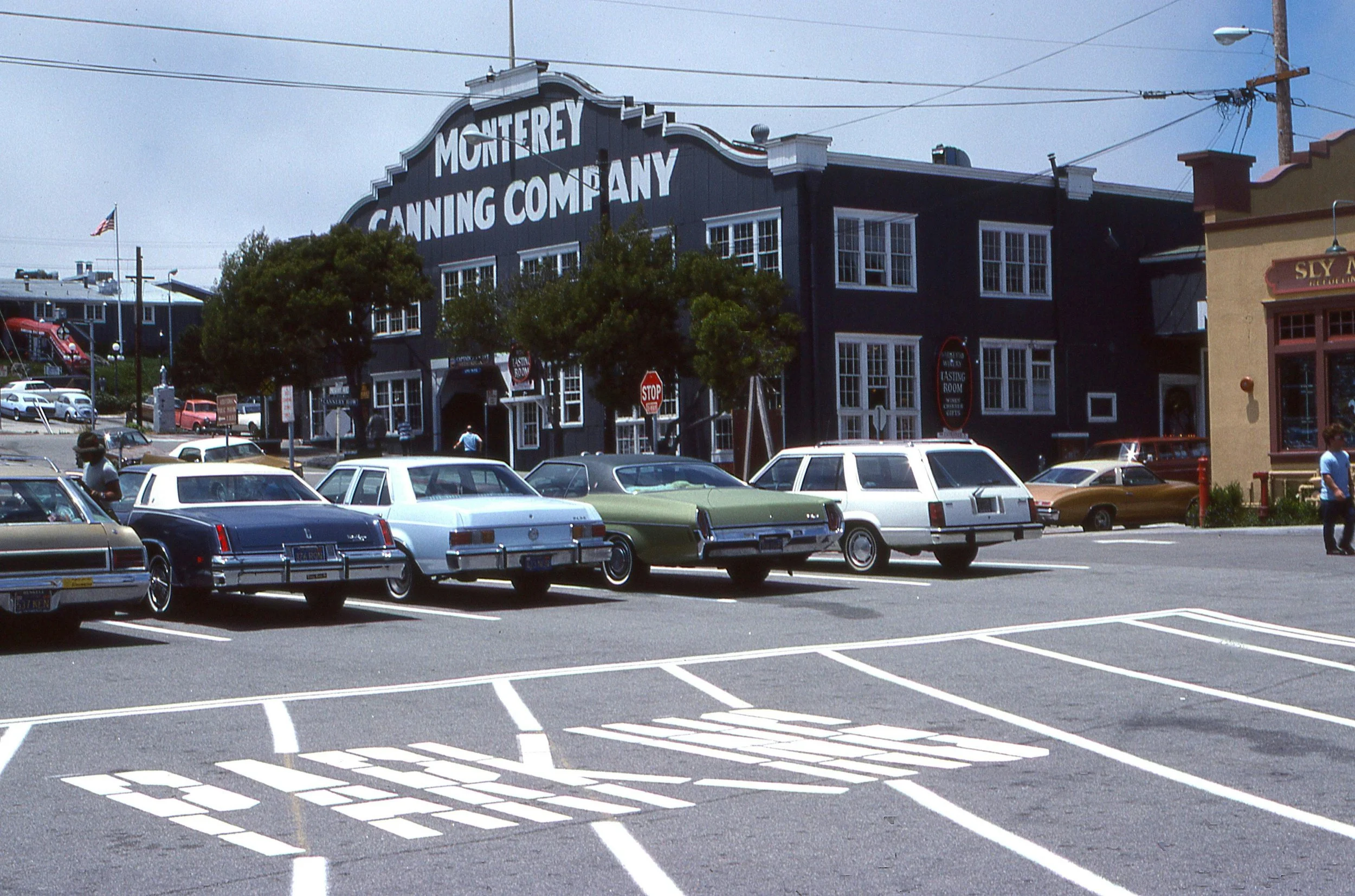
I’ve often walked down Cannery Row and wondered if the tourists snapping photos of the bronze statues realize just how much the ground beneath their feet has shifted. Today, it’s all high-end hotels, breezy galleries, and the world-class Monterey Bay Aquarium. But if you could peel back the layers of paint and modern glass, you’d find a place that was, for a long time, defined by a smell so pungent it could apparently peel the paint off a house!
Before John Steinbeck’s 1945 novel immortalized it as "a poem, a stink, a grating noise," the area was officially Ocean View Avenue. It wasn't always a commercial juggernaut; it was a rugged, salt-sprayed edge of the continent where survival meant working with the sea.
It appears that the "Golden Age" of the Row didn't happen by accident. In the early 1900s, a perfect storm of technology and demand turned this quiet shoreline into the "Sardine Capital of the World."
By World War I, the demand for cheap, canned protein for soldiers skyrocketed. Canneries like Hovden (which is now the site of the Aquarium) were processing hundreds of tons of fish a day. Walking there now, it’s hard to reconcile the smell of artisan waffle cones with the ghost-scent of fish meal and heavy machinery. The noise must have been deafening; a constant clatter of tin cans and the steam-whistle screams of the plants.
While the history books often focus on the industrial titans, the real soul of the Row lay in its diversity. This wasn't just a workplace; it was a melting pot. You had Chinese fishing families who had been here since the 1850s, Portuguese whalers, and Italian immigrants who brought the "lampara" nets that revolutionized how fish were caught.
It may suggest a certain romanticism to look back at this as a harmonious time, but it was likely grueling. The work followed the moon… literally! Since sardines were caught at night when their phosphorescence was visible, the laborers lived by the cycles of the tides. "Cannery girls" would often rush to the plants at 2:00 AM the moment the whistles blew.
We can't talk about the Row without Ed Ricketts. His "Pacific Biological Laboratories" at 800 Cannery Row still stands, looking remarkably humble. Ricketts was the real-life "Doc," a marine biologist who saw the ocean as a giant, interconnected web.
Some argue that without Ricketts, Steinbeck might never have found the heart of his Monterey stories. The "hidden" history here isn't just about the buildings, but the late-night philosophical debates fueled by cheap wine and the sounds of the surf. It was a place where "ladies of the night" lived right next door to scientists and grocery owners like Lee Chong.
Nature has a way of correcting over-enthusiasm. By the late 1940s, the sardines simply vanished. Whether it was overfishing, changes in water temperature, or a mix of both, the silver tide went out and never came back. The canneries fell into ruin, becoming rusting skeletons that sat silent for decades.
It’s almost a miracle the Row didn't just crumble into the Pacific. Instead, it underwent a slow, sometimes awkward transformation into the destination it is today. When you visit now, try to look past the gift shops. Look at the overhead "crossover" bridges; those used to be the chutes that carried cans across the street. Those weird, concrete foundations out in the water? Those were the loading docks where the catch of the day was hauled in by the millions.
Monterey’s past isn't tucked away in a dusty archive; it’s hidden in plain sight, baked into the very architecture of the street.
Ready to taste the history of the Row? If you want to experience the stories behind the sardines and the secrets of the waterfront, come walk the walk with us. Book your Monterey Bay Food Tour at montereybayfoodtours.com and see Cannery Row through the eyes (and palates) of the locals.